19 Oct 2026
Tracing the Mechanics Behind Real-Time Choices in Blended Athletic and Gaming Systems
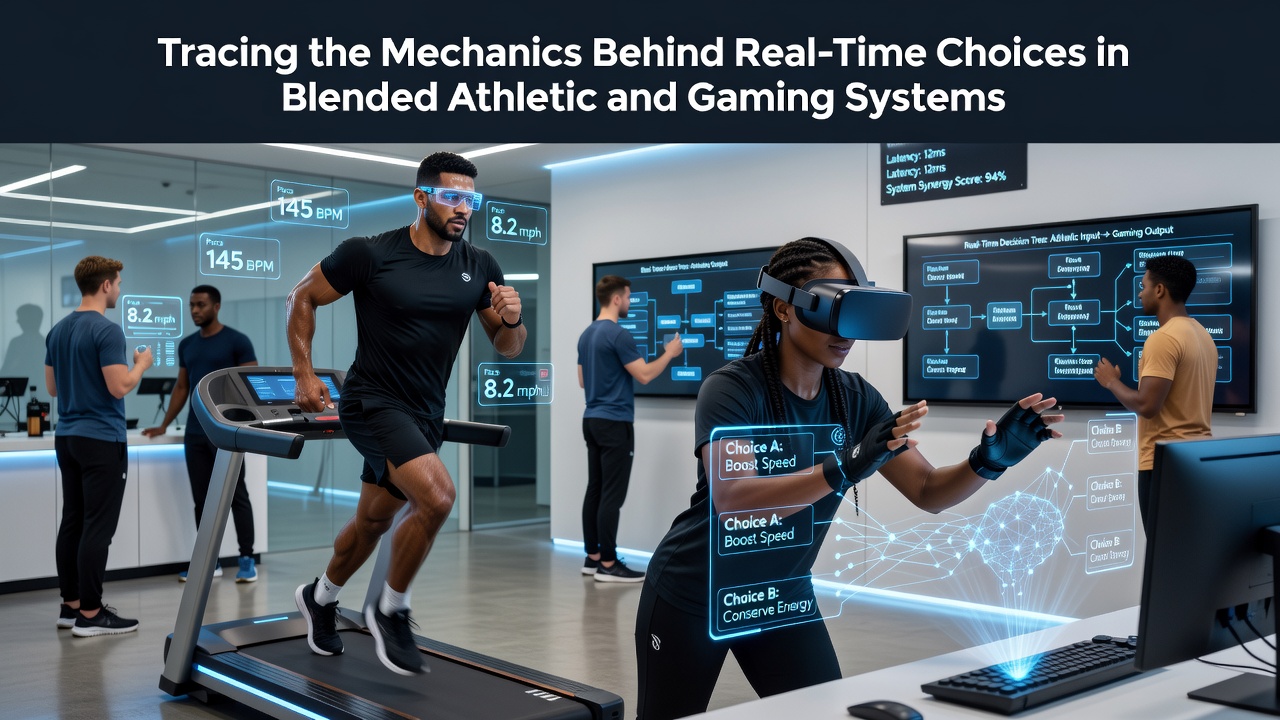
Blended athletic and gaming systems combine live sports data streams with interactive betting and casino elements so participants can adjust wagers or game selections while events unfold in real time. These platforms rely on continuous data pipelines that pull statistics from venues, process them through central servers, and push updated options to user devices within seconds. Observers note that the speed of these updates shapes how choices form because delays of even a few moments can alter the available selections before a participant confirms an action.
Data Pipelines and Live Integration Points
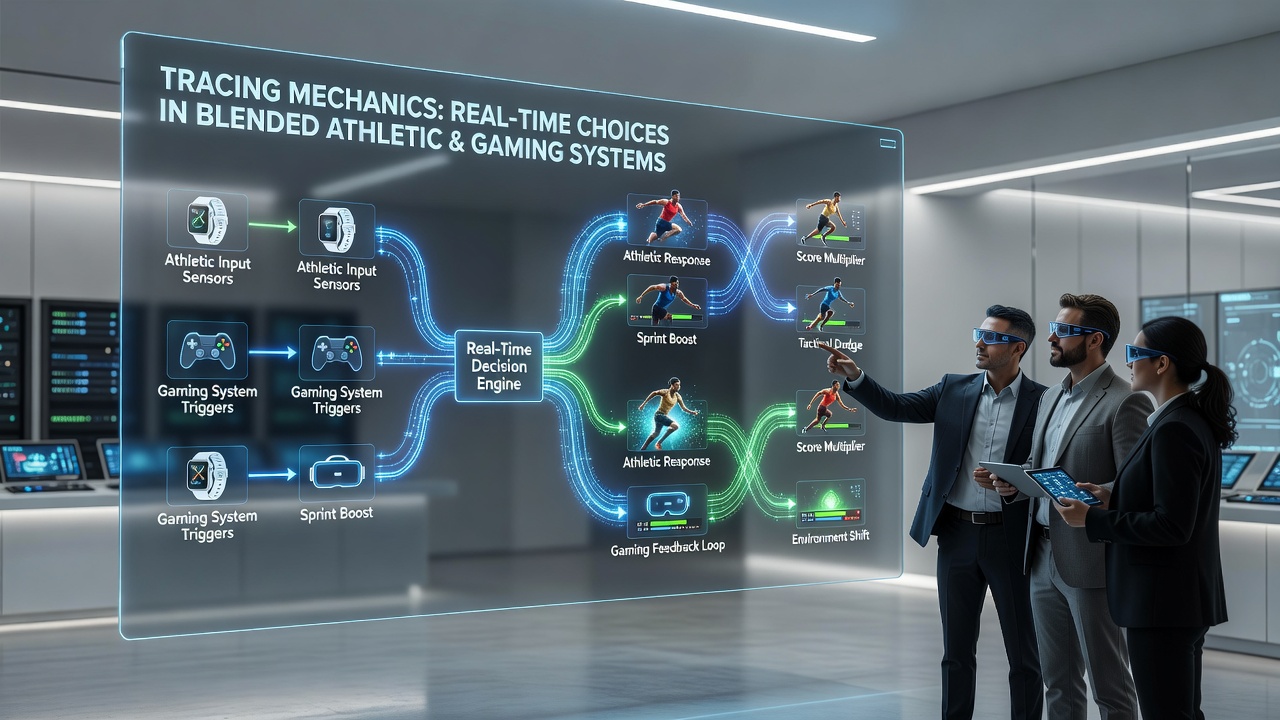
Real-time mechanics begin with multiple data sources that feed into unified systems. Sensors on playing fields capture player positions, ball trajectories, and environmental conditions while external feeds supply weather updates, injury reports, and historical performance metrics. These inputs merge through application programming interfaces that standardize formats across different sports leagues and gaming operators. According to reports from the Nevada Gaming Control Board, such integration layers handle thousands of data points per minute during major events and route them to both odds engines and game logic modules without interruption.
Once processed, the information reaches user interfaces designed for rapid interaction. Drop-down menus collapse into single-tap buttons, progress bars indicate remaining time windows for selections, and color-coded alerts highlight shifts in probabilities. Those who have examined platform architectures find that developers prioritize reduced latency by caching frequent queries on edge servers closer to end users, which keeps response times under two seconds in most tested networks.
Algorithmic Influences on Decision Timing
Choice mechanics depend heavily on recommendation engines that analyze prior user patterns alongside current event states. These engines apply machine learning models trained on aggregated session data to suggest next actions, such as adjusting a wager amount or switching to a related side game. Research from the University of Sydney's Gambling Treatment and Research Centre shows that participants receive tailored prompts at moments when engagement metrics peak, which correlates with higher completion rates for in-event decisions.
Yet the same algorithms must balance promotional suggestions against regulatory constraints that limit certain bet types during specific phases of play. Systems therefore incorporate rule-checking layers that scan every proposed choice against jurisdiction-specific guidelines before confirmation occurs. This step runs in parallel with the main processing thread so it rarely adds measurable delay.
Interface Elements That Shape User Responses
Design choices around visual hierarchy guide attention toward active opportunities. Large numerical displays update live odds while smaller panels show secondary gaming options that remain available throughout the event. Touch targets expand during high-action periods to accommodate quicker taps, and haptic feedback confirms submissions on mobile devices. Experts have observed that these features reduce the number of abandoned selections by providing immediate sensory confirmation that a choice has registered.
Multi-tasking elements appear in split-screen layouts where a primary athletic feed occupies most of the view while a compact gaming panel sits alongside it. Users can expand the gaming panel with a swipe gesture that pauses the main feed temporarily. Data logs from platform operators indicate that such gestures occur most frequently in the final minutes of close contests when both athletic outcomes and gaming payouts fluctuate rapidly.
Security Layers and Transaction Verification
Every real-time choice passes through verification checkpoints that confirm account balances, eligibility, and compliance before execution. Token-based authentication systems refresh credentials in the background so participants do not encounter login interruptions mid-event. Encryption protocols wrap each transaction packet, and anomaly detection routines flag unusual patterns for review without halting the primary flow.
Regulatory bodies in multiple regions, including the Australian Communications and Media Authority, require detailed audit trails that record the exact sequence of data arrival, algorithm output, and user input for every completed action. These records support post-event analysis and help identify points where system latency or interface friction influenced outcomes.
Developments Expected by October 2026
Platform providers continue testing enhanced predictive models that incorporate wearable device data from athletes when permitted under league agreements. Early trials suggest these additions could refine probability calculations further and alter the range of choices presented to participants. Industry groups such as the European Gaming and Betting Association track pilot programs across several member states to establish common technical standards ahead of expanded deployment.
Hardware improvements in 5G and emerging 6G networks promise even lower transmission delays, which would allow more granular updates during fast-paced segments of events. Observers expect these network advances to coincide with regulatory reviews scheduled for late 2026 that may standardize cross-border data handling practices for blended systems.
Conclusion
The mechanics behind real-time choices in blended athletic and gaming systems rest on tightly coordinated data pipelines, responsive interfaces, and layered verification processes that together enable rapid participant actions. Continued refinement of algorithms and network infrastructure points toward greater precision in the options offered, while regulatory frameworks evolve to maintain oversight. Those who monitor these developments note that the underlying technical structures determine both the speed and reliability of decisions made within such integrated environments.