21 Sep 2026
Regulatory Shifts Shaping Integrated Athletic and Chance-Based Entertainment Systems Across Borders

Regulatory bodies across multiple continents continue to adjust frameworks that govern combined sports wagering platforms and casino offerings, and these modifications often create new compliance pathways for operators who manage both athletic events and random outcome games under single systems. Data from industry reports indicate that jurisdictions have introduced licensing requirements that address data sharing between betting modules and casino interfaces, while new tax structures apply to revenue streams generated from integrated user accounts.
North American Developments
States in the United States have expanded legislation since teh 2018 Supreme Court decision, and several have added provisions that cover hybrid platforms where users place wagers on live sports alongside casino-style games. Observers note that by September 2026 additional states plan to finalize rules on geofencing and age verification that apply uniformly to both product categories, which reduces the need for separate compliance teams. Researchers at academic institutions have tracked how these unified standards affect operator expansion into neighboring markets where similar athletic and chance-based products operate under shared regulatory oversight.
Canadian provinces have updated their iGaming regulations to include provisions for cross-product accounts, and these changes require operators to report combined activity metrics to provincial authorities. Figures reveal that provinces such as Ontario and British Columbia have aligned reporting timelines for sports and casino transactions, which streamlines audits for companies that offer both categories through one interface.
European and Asian Adjustments
European Union member states have implemented elements of the Digital Services Act that extend to gambling operators, and these rules mandate transparency in algorithmic recommendations that influence both sports odds displays and casino game suggestions. teh European Commission has published guidance documents that address how operators must handle user data when athletic and casino products share the same user profiles, which affects platforms operating across multiple member countries.
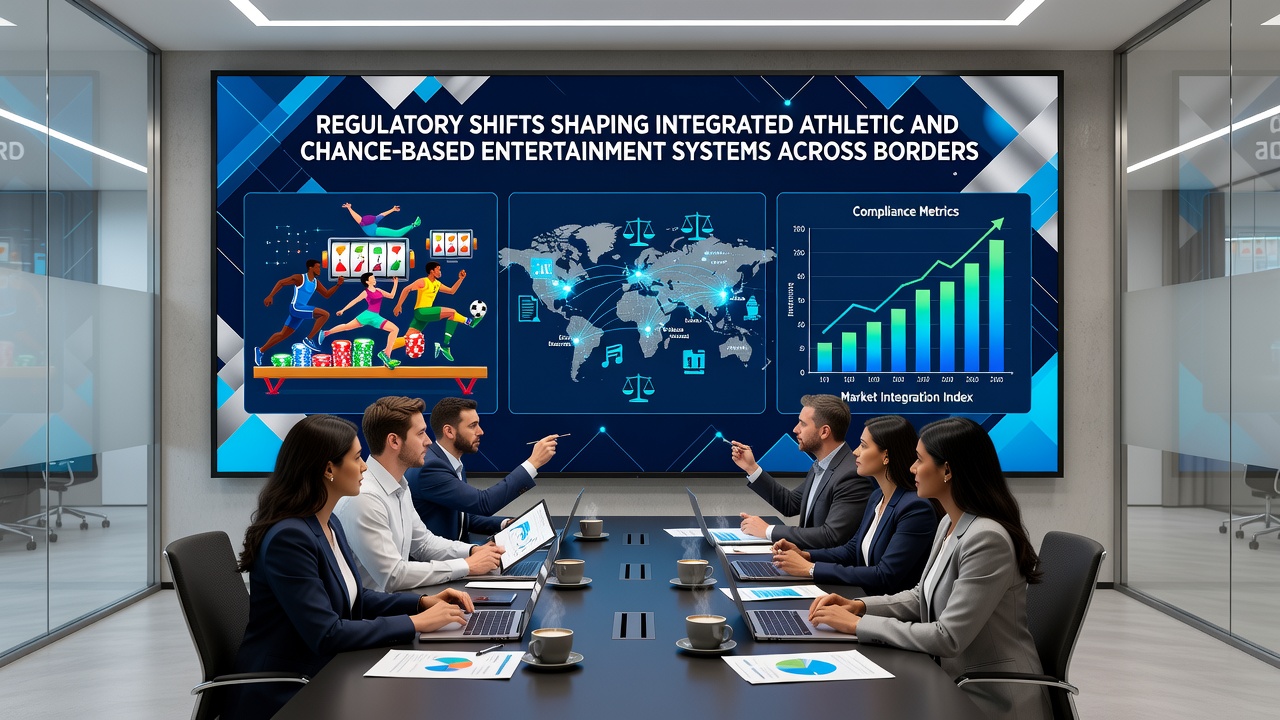
Asian markets have seen incremental policy updates as well, and countries such as Japan and South Korea have introduced pilot programs that test integrated systems under strict licensing conditions. According to National Conference of State Legislatures compilations of global regulatory trends, several Asian jurisdictions now require operators to maintain separate capital reserves for sports and casino segments even when they appear within one application. These measures aim to protect consumers during periods when regulatory reviews occur simultaneously across borders.
Cross-Border Compliance Mechanisms
Operators face increasing demands to demonstrate that their integrated platforms meet the strictest standards among the jurisdictions where they hold licenses, and this practice has led to the adoption of unified compliance software that tracks regulatory changes in real time. Research indicates that companies which invested early in modular system architecture have adapted more quickly when new rules emerge in one region and then influence requirements elsewhere. Government agencies in Australia have released consultation papers that examine how cross-border data flows should be managed when users access both sports and casino features from different countries.
International organizations have begun to coordinate on standards for responsible gaming tools that apply across product types, and these efforts include shared self-exclusion lists that cover both athletic wagering and casino play. Data shows that such coordinated lists reduce duplication for users who wish to limit activity across multiple categories, while operators gain clearer guidelines on enforcement timelines that span borders.
Technological and Reporting Requirements
Advances in blockchain and API integrations have allowed regulators to request granular transaction data that combines sports and casino activity into single reports, and several jurisdictions now accept these consolidated submissions. Experts have observed that standardized data formats reduce administrative burdens for operators who previously prepared separate filings for each product line. As of September 2026, certain regulatory sandboxes in North America and Europe plan to test real-time reporting protocols that cover integrated systems, which could set precedents for wider adoption.
Industry associations have compiled best practices documents that address how operators should segment marketing communications when athletic and casino promotions appear within the same application, and these guidelines draw from regulatory feedback across regions. Those who have studied enforcement actions note that fines often stem from failures to maintain clear separation in promotional materials rather than from technical integration itself.
Conclusion
Regulatory evolution in this sector continues to emphasize consistent consumer protections across product categories and geographic boundaries, and operators have responded by updating their technical and reporting infrastructures accordingly. Continued monitoring of policy announcements from diverse regulatory bodies will remain essential for entities that manage integrated athletic and chance-based platforms in multiple markets.