16 Nov 2026
Navigating Intersections of Real-Time Event Data and Player Choice Patterns in Blended Wagering Environments
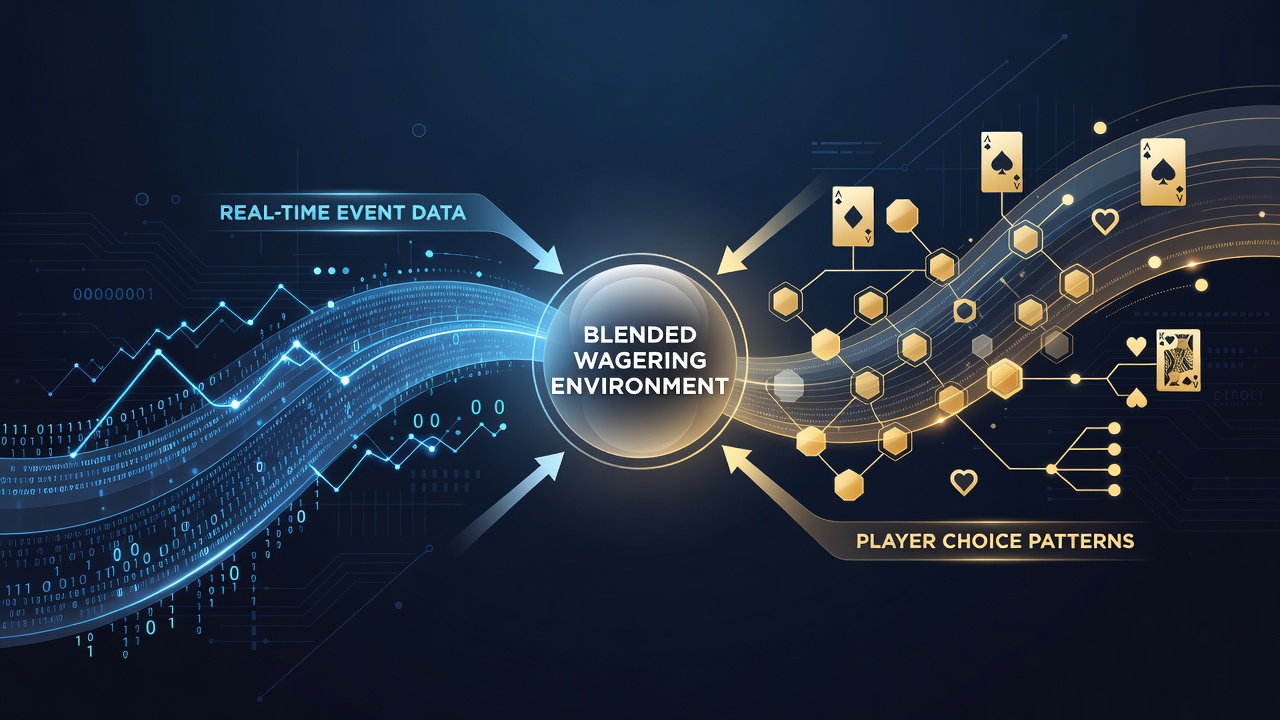
Blended wagering environments combine live sports betting with casino-style games, where real-time event data streams directly into player interfaces and shapes decisions across both categories. Operators collect live statistics from athletic competitions, feed those numbers into dynamic odds systems, and simultaneously present casino options that adjust based on the same data flows. Players encounter these intersections when a basketball game's momentum shifts and triggers updated prop bets alongside themed slot features that reference the same contest.
Data Streams That Drive Simultaneous Choices
Real-time feeds arrive from multiple sources including official league sensors, third-party tracking firms, and venue-specific cameras. These inputs update every few seconds and influence both sports markets and casino elements within the same session. Researchers at institutions studying European platforms have documented how a single goal in soccer can alter live betting lines while also activating bonus rounds in linked virtual table games. Data indicates that choice patterns shift measurably when event velocity increases, with users reallocating stakes between sports outcomes and chance-based features in shorter time windows.
November 2026 saw several major platforms deploy enhanced latency reduction tools that cut the delay between on-field action and interface updates to under two seconds across integrated products. Those who've examined transaction logs from that period note spikes in cross-category activity precisely during high-velocity moments such as overtime periods or final innings.
Player Behavior Patterns Across Integrated Systems
Choice patterns emerge when users alternate between predictive sports selections and immediate casino spins within one account. Observers note that participants often begin sessions focused on sports data yet migrate toward casino options after receiving real-time alerts tied to the same event. Studies from Australian regulatory bodies show that sessions exceeding forty-five minutes contain more frequent switches between categories when live data includes visual overlays that reference both sports and casino mechanics.
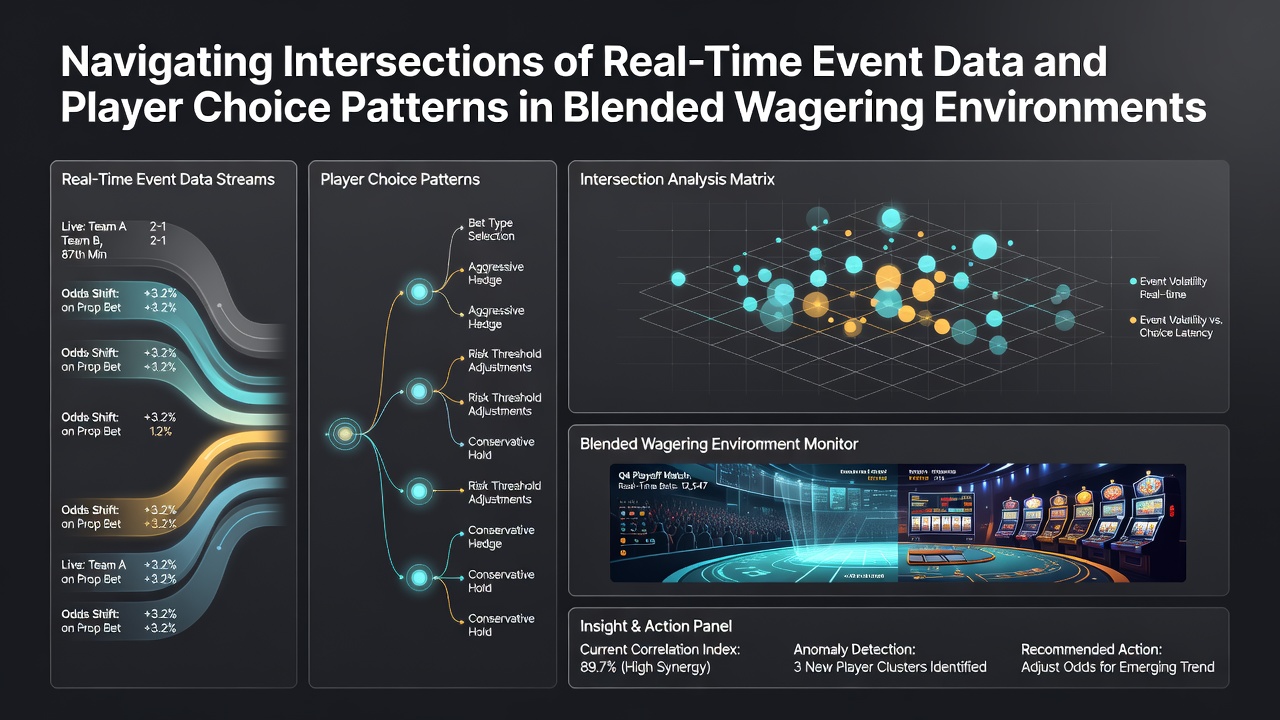
One analysis of North American operators found that users who receive push notifications about in-game statistics tend to place smaller, more frequent casino wagers immediately afterward. These micro-transitions occur because the same data packet powers both the sports market refresh and the casino feature trigger. Canadian provincial reports further indicate that such patterns appear consistently across mobile applications where the interface keeps both categories visible without requiring separate logins.
Technical Architecture Behind the Intersections
Backend systems rely on unified data pipelines that push identical event streams to separate front-end modules. Sports betting engines calculate updated probabilities while casino random number generators receive event-derived seeds or modifiers. This architecture allows a single basketball rebound to adjust point-spread odds and simultaneously alter reel symbols in a linked slot title. Industry reports from the European Gaming and Betting Association detail how these shared pipelines reduce server load yet increase the complexity of compliance checks because every data point now affects multiple regulatory categories at once.
Those who've reviewed platform audits observe that error rates in data synchronization directly correlate with changes in player choice volume. When feeds lag, users pause activity across both sports and casino sections until consistency returns. Conversely, flawless real-time delivery sustains longer engagement cycles that span both product types.
Regulatory and Compliance Considerations
Regulators in multiple jurisdictions require operators to maintain separate audit trails for sports and casino components even when they share the same underlying data. This separation creates technical challenges because timestamps must align across categories to satisfy responsible gambling protocols. Reports issued by the Victorian Commission for Gambling and Liquor Regulation highlight the need for granular logging of every choice that crosses from a sports market into a casino feature. Such requirements have prompted development of specialized middleware that tags each transaction with both its sports data source and its casino classification.
As systems evolve, compliance teams examine how real-time alerts influence player velocity and whether those alerts meet disclosure standards in each jurisdiction. Data from these examinations shows that transparent labeling of data sources reduces disputes over outcomes that result from shared feeds.
Conclusion
The intersection of real-time event data and player choice patterns continues to define operational priorities in blended wagering environments. Unified data pipelines, synchronized interfaces, and cross-category compliance frameworks shape how participants move between sports selections and casino options. Ongoing technical refinements and regulatory adjustments determine the precise ways these intersections manifest in daily platform use.